Sensory Dough: Bake for Focus & Fun!
- Sep 29, 2025
- 4 min read
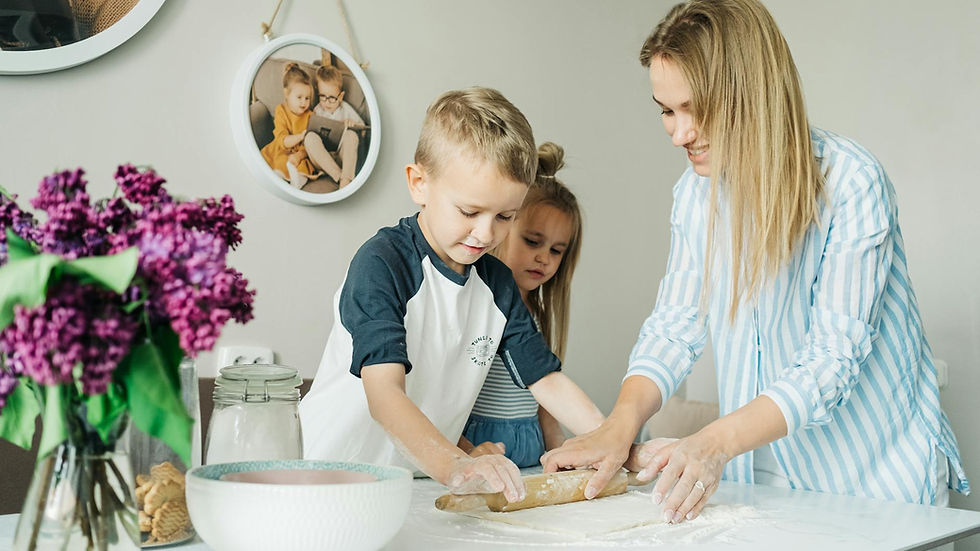
Ever find yourself wishing you could combine playtime with a sneaky learning opportunity? Imagine an activity that's both calming and educational, leading to better focus and a whole lot of fun. That's where the magic of edible sensory dough comes in! This isn't just about baking; it's about creating a multi-sensory experience that engages children while subtly teaching them essential skills. Get ready to explore how sensory dough baking can transform your family time.
The Power of Sensory Dough: More Than Just Play
Sensory play is crucial for a child's development. It's not just about making a mess (though that's part of the fun!), it’s a core part of learning. But why choose dough, and why bake it? Baking takes it a step further.
Why Choose Sensory Dough?
Sensory dough offers a tactile and engaging experience. Kids can squish, roll, and shape the dough, all while developing their fine motor skills. But what makes it superior to other sensory mediums?
Tactile Exploration: The pliable texture of the dough allows children to explore different shapes, sizes, and consistencies.
Fine Motor Skill Development: Rolling, squeezing, and manipulating the dough strengthens hand muscles, preparing them for writing and other important tasks.
Calming and Focusing: The repetitive motion of playing with the dough can be incredibly calming, helping children regulate their emotions and improve focus. Think of it as a fidget spinner, but one that develops creativity!
Creative Expression: Dough provides a blank canvas for children to express their imagination and create their own unique masterpieces.
According to a study published in the "American Journal of Occupational Therapy," sensory activities can significantly improve motor skills and cognitive development in young children.
Why Bake It?
Taking sensory dough to the oven adds a whole new dimension. It introduces the elements of cooking, science, and anticipation. Let's find out the benefits of baking sensory dough:
Introduction to Baking Fundamentals: Children learn about measuring ingredients, mixing techniques, and the effects of heat on different substances. This is where they can master baking fundamentals, even if they don’t realize they are!
Scientific Exploration: Baking is essentially a science experiment! Children observe chemical reactions, such as the rising of the dough, and learn about cause and effect.
Sensory Transformation: The texture, smell, and appearance of the dough change during baking, providing a fascinating sensory experience.
Sense of Accomplishment: Successfully baking something provides a sense of accomplishment and boosts self-esteem.
Getting Started: Simple Recipes for Sensory Dough
Ready to dive in? Here are a few easy-to-follow sensory dough recipes that are perfect for beginners. Remember to supervise children closely, especially when handling hot ingredients or using the oven.
Classic Salt Dough
This is a simple and versatile recipe that's perfect for creating ornaments, sculptures, or any other imaginative creation.
Ingredients: 1 cup salt, 2 cups flour, 1 cup water
Instructions: Combine all ingredients in a bowl and mix until a dough forms. Knead for a few minutes until smooth. Shape as desired and bake at 250°F (120°C) for 2-3 hours, or until hard.
Add food coloring or essential oils to enhance the sensory experience. Essential oils like lavender or chamomile can add a calming element, too.
Cornstarch Dough
This dough is incredibly smooth and silky, providing a unique tactile experience. It is also gluten free.
Ingredients: 1 cup cornstarch, 1/2 cup oil
Instructions: Combine cornstarch and oil in a bowl and mix until a dough forms. Shape and bake at 250°F (120°C) for 2-3 hours or until hard.
You can add glitter or other small embellishments to make this dough extra special. Just be sure to choose embellishments that are safe for children to handle.
Sensory Dough: Baking for Focus Activities
Baking sensory dough is beneficial, however, it is important to have activities planned to engage the kids even further.
Shape Sorting and Matching
Bake different shapes of dough and have children sort and match them. This activity reinforces shape recognition and problem-solving skills. Use cookie cutters to create simple geometric shapes.
Letter and Number Formation
Use the dough to practice forming letters and numbers. This activity is great for pre-writing skills and early literacy development. Roll the dough into thin ropes and guide children to create the shapes of letters and numbers.
Storytelling with Dough
Encourage children to create characters and scenes from their favorite stories using the dough. This activity promotes imagination and storytelling skills. Provide prompts, such as "Once upon a time..." or "In a faraway land..." to spark their creativity.
Safety Considerations and Best Practices
While baking sensory dough is a fun and educational activity, it's important to prioritize safety. Here are some best practices to keep in mind:
Supervision: Always supervise children closely, especially when using the oven or handling hot ingredients.
Allergies: Be aware of any allergies and adjust recipes accordingly.
Temperature: Be mindful of the dough temperature when handing to children
Non-toxic ingredients: Use non-toxic ingredients, especially if there is a risk of children ingesting the dough.
Cleanliness: Wash hands before and after playing with the dough to prevent the spread of germs.
According to the CDC, proper handwashing can reduce the risk of respiratory illnesses by up to 21%.
Sensory Dough: Beyond the Kitchen
The benefits of sensory dough extend beyond the kitchen. It can be a valuable tool for educators, therapists, and anyone working with children. Sensory dough is very diverse and can be utilized in many settings.
Therapeutic Applications
Sensory dough can be used in therapy to help children with sensory processing issues, anxiety, or ADHD. The tactile nature of the dough can be calming and grounding, helping children regulate their emotions and improve focus. Therapists often use sensory dough to help children express themselves and process difficult emotions.
Educational Settings
Teachers can incorporate sensory dough into their lesson plans to make learning more engaging and interactive. For example, they can use dough to teach math concepts, such as fractions or geometry. Or, they can use it to create models of historical landmarks or scientific concepts.
Conclusion: Baking Your Way to Focus and Fun
Sensory Dough: Baking for Focus is more than just a fun activity. It's an engaging way to help your kids master baking fundamentals, develop fine motor skills, and improve focus, all while having a blast. By incorporating sensory dough into your family time, you're not just baking something delicious; you're nurturing your child's development in a fun and meaningful way. So, grab your ingredients, preheat the oven, and get ready to unleash your child's inner chef and artist. Start exploring today and witness the transformative power of sensory dough baking!


Comments